Monday, July 14, 2025

Screen to Street: How Fashion & Film Shape Each Other

In the world of film, fashion has always done more than dress the characters—it defines them. From Audrey Hepburn's little black dress in Breakfast at Tiffany's to Zendaya's tenniscore looks in Challengers, cinema and style have long been intertwined in a visual love affair.

But in recent years, the relationship between fashion and film has evolved into something far more dynamic. We're no longer just admiring costumes on screen—we're recreating them, buying them, and building whole aesthetics around them. Today's trendiest films aren't just telling stories. They're launching looks, igniting style movements, and turning cinema into a wearable fantasy.
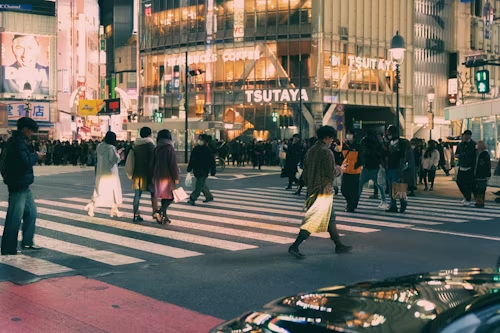


👗 Fashion as Visual Storytelling

Clothes in film are never just clothes. They're extensions of identity, mood, and cultural context. In Greta Gerwig's Barbie, hot pink becomes a visual manifesto of hyper-femininity and rebellion. In Saltburn, fashion teeters between glamour and grotesque, building a world that feels intoxicating and off-kilter.

Even minimalist films like Priscilla use clothing as a central emotional device—Priscilla's style evolves from dreamy 60s doll-like silhouettes to a restrained, defiant softness that speaks volumes without a word. These costumes don't just support the plot—they are the plot.


💫 Viral Cinema: When Looks Go Global

Thanks to TikTok and Instagram, the style impact of films now travels faster than the credits can roll. A single frame can inspire fashion trends overnight. Just look at the ballet flats resurgence after Black Swan, the coquette-core boom after Marie Antoinette, or the “Challengers green” trend that took over after Zendaya's promo tour.

Social media has made fashion in film instantly replicable and endlessly remixable. Hashtags like #MovieStyle, #CinemaAesthetic, and #FilmFashion now generate millions of views, turning the audience into stylists, editors, and cultural curators.


🧥 Characters as Fashion Icons

Modern film characters are more than just protagonists—they're style blueprints. Take Margot Robbie in Barbie, Timothée Chalamet in Call Me by Your Name, or Anya Taylor-Joy in Emma. Their wardrobes are dissected, imitated, and pinned onto moodboards across the internet.

In a fashion-obsessed era, film becomes a runway, and every costume becomes a statement. Even period dramas are no longer “historical”—they're aspirational, romanticized visions of self-expression.


🛍️ Cinema as Lifestyle Influence

What's striking about trend-driven films today is how seamlessly they blend into real life. After watching a stylish movie, viewers might shop for similar outfits, curate matching playlists, or even plan vacations to recreate the film's aesthetic.

Films like A Bigger Splash, Call Me by Your Name, or The Talented Mr. Ripley don't just show clothes—they show a way of living. They sell a mood. And for a generation raised on curated feeds and visual storytelling, that's exactly what resonates.


🎞️ Conclusion: The Movie Is the Moodboard

In 2025, the line between film and fashion is thinner than ever. To watch a movie is to step into a world of style—a world we can borrow, remix, and wear. Trendy films are no longer just consumed—they're lived.

Because in the end, the most iconic looks don't walk down runways anymore. They flicker across screens, slip into feeds, and end up in our closets.

Wednesday, July 2, 2025

Trendy Movies: The Intersection of Fashion and Film

In recent years, movies have become more than just a form of entertainment. They have evolved into a cultural phenomenon that transcends storytelling, influencing the way we perceive fashion, style, and beauty. From the extravagant costumes in period pieces to the street-style looks in modern blockbusters, films are shaping the trends we see on the streets. This intersection of film and fashion has given rise to a new wave of "trendy movies," where the visual appeal of style plays a starring role. Let's dive into the world of trendy films and explore how they are setting the stage for the future of fashion.


1. The Rise of the “Fashion Film” Genre

Fashion has always had a presence in the film industry, but the past decade has seen a surge in "fashion films" – movies where the costumes and visual style are as important as the plot itself. Films like The Devil Wears Prada (2006), Sex and the City (2008), and Ocean's 8 (2018) have become iconic not just for their stories, but for their incredible wardrobes. These films showcase high-end fashion, luxurious brands, and signature styles that make them visual feasts for fashion lovers.

Example: The Devil Wears Prada

  • The movie's costume designer, Patricia Field, played a key role in making the movie a visual style bible. The way the characters' wardrobes evolve alongside the plot, from Andy Sachs' drab beginnings to her chic transformation, speaks volumes about the influence of fashion in shaping identity and narrative.

2. Street Style and Contemporary Fashion on the Big Screen

While classic films often featured lavish gowns and tuxedos, today's blockbuster hits are redefining fashion by showcasing relatable, everyday street style. Movies like The Hunger Games (2012) and The Bling Ring (2013) highlight characters in modern-day fashion that resonates with audiences. Whether it's the athleisure looks worn by the protagonists in The Hunger Games or the glamorous yet casual styles of The Bling Ring, these films mirror our culture's obsession with blending comfort and luxury.

Example: The Hunger Games

  • Katniss Everdeen's outfits in the movie became an icon of utilitarian chic, combining function and fashion. Costume designer Judianna Makovsky gave each outfit a distinct, practical purpose while keeping the characters stylish and aspirational.

3. High Fashion in Fantasy and Sci-Fi Movies

One of the most exciting areas of trendy movies is the use of fashion in the fantasy and sci-fi genres. Films like Blade Runner 2049 (2017) and The Matrix (1999) have given us some of the most striking futuristic fashion designs. These movies blend elements of dystopia, technology, and high fashion to create looks that challenge traditional concepts of style. The sleek, cutting-edge designs seen in these films are not only visually stunning but have inspired real-world fashion collections.

Example: Blade Runner 2049

  • The costumes in Blade Runner 2049, designed by veteran costume designer Renée April, are a perfect example of fashion-forward thinking. The outfits, particularly in the film's dystopian world, push the boundaries of contemporary fashion while maintaining an elegance that speaks to the future.

4. Period Pieces and the Revival of Retro Fashion

Period films have always been a source of sartorial inspiration, but recently there's been a major resurgence of retro fashion, thanks to films that recreate iconic looks from different historical eras. Movies like The Great Gatsby (2013), The Favourite (2018), and Little Women (2019) have revived vintage fashion trends, from roaring twenties flapper dresses to 18th-century corsets. The meticulous attention to historical detail in these films has led to a growing trend of vintage-inspired clothing in real life.

Example: The Great Gatsby

  • Catherine Martin, the costume designer for The Great Gatsby, redefined the flapper era with her opulent, art-deco-inspired designs. The movie's fashion not only brought the roaring twenties back into the mainstream but also sparked a revival of luxury materials, beading, and intricate embroidery that continue to influence fashion today.

5. The Role of Social Media in Trendy Movies

Social media has played a pivotal role in turning trendy movies into style phenomena. Platforms like Instagram, Pinterest, and TikTok allow fans to engage with film fashion on a whole new level. Whether it's creating “get the look” guides, sharing behind-the-scenes images of iconic outfits, or promoting films' fashion-forward aesthetics, the online community helps to amplify the style influence of movies. Celebrities, influencers, and fashion houses often use films as a launchpad for the latest collections, further cementing the connection between the movie industry and the fashion world.

Example: Instagram and The Witcher

  • Netflix's The Witcher series became a social media sensation, with fans recreating the intricate looks worn by the characters. From Geralt's armor to Yennefer's elegant gowns, the show's fashion sparked a global conversation about fantasy fashion, influencing both cosplay and high fashion.

Conclusion: Movies as a Fashion Authority

Trendy movies have redefined how we view fashion, bridging the gap between the cinematic and real world. From high fashion to street style, period pieces to sci-fi, films have become a mirror for the trends shaping society. As movies continue to push the boundaries of creativity and visual aesthetics, they will undoubtedly remain a powerful influence on fashion for years to come. So, the next time you're watching your favorite film, remember that the wardrobe isn't just a background element—it's a character in its own right, shaping the story in ways we may not even realize.

Thursday, June 12, 2025

Street Culture in Trendy Movies: How Films Capture the Pulse of Urban Life

In recent years, trendy movies have increasingly embraced street culture, reflecting the dynamic energy, creativity, and raw authenticity of urban life. From fashion and music to language and attitudes, street culture has become an essential element that shapes the narrative, characters, and style of many popular films. Let's explore how street culture is portrayed in trendy movies and why it resonates so deeply with audiences worldwide.


The Heartbeat of the Streets on the Big Screen

Street culture is more than just a backdrop—it's the heartbeat of many trendy films. Movies like "Dope", "Straight Outta Compton" , and "Baby Driver" showcase not only the visual style of streetwear but also the spirit of resilience, rebellion, and community found in urban neighborhoods. These films highlight how fashion, music, and slang born on the streets influence the identities of the characters and the mood of the story.

Fashion as an Expression of Identity

One of the most visible aspects of street culture in films is the fashion. Oversized hoodies, graphic tees, sneakers, and bold accessories don't just dress the characters—they tell stories about their backgrounds, aspirations, and struggles. Trendy movies often collaborate with streetwear brands or stylists to ensure the authenticity of the look. This genuine representation allows viewers to connect with characters on a deeper level and even inspires real-world fashion trends.

Music: The Soundtrack of the Streets

Hip-hop, rap, grime, and other street-born music genres frequently score these movies, reinforcing the mood and message. Soundtracks are carefully curated to reflect the energy and spirit of the communities portrayed on screen. For example,"8 Mile"  brought the gritty reality of Detroit's rap scene to life, while "Black Panther"  blended traditional African sounds with contemporary beats, celebrating cultural roots and modern urban life simultaneously.

Language and Attitudes: Authentic Voices

Street culture movies pay close attention to the language and attitudes of their characters. Slang, cadence, and humor are key tools to make dialogues feel authentic and relatable. Beyond words, the films also capture the defiant, innovative, and often hopeful attitudes of young people navigating urban challenges. This authentic voice is essential in making the films resonate with both local and global audiences.

Why Street Culture Movies Matter

These movies do more than entertain—they shine a spotlight on often underrepresented communities and their stories. By portraying the realities, struggles, and triumphs of life on the streets, trendy films humanize urban experiences and foster greater understanding and empathy. They also celebrate creativity born out of adversity, showing how street culture influences everything from music and fashion to social movements.

Conclusion

Street culture has become a defining ingredient of trendy movies, providing them with a vibrant, authentic edge that appeals to diverse audiences. Through fashion, music, language, and attitude, these films capture the complexity and spirit of urban life in a way that is both entertaining and meaningful. As street culture continues to evolve, so too will its powerful role in shaping the stories told on the big screen.

Tuesday, June 3, 2025

Trendy Films: The Movies Defining the Now

In the ever-evolving world of cinema, certain films rise above the rest to capture the cultural moment, define an era, and reflect the trends of their time. These "trendy films" are more than just entertainment — they are windows into the shifting tides of society, technology, and style. Whether through innovative filmmaking, groundbreaking storytelling, or the exploration of important cultural topics, trendy films are always at the forefront of popular culture. So, what makes a film trendy? And which films are shaping the world of cinema today?


What Makes a Film Trendy?

A trendy film isn't just about box-office success or flashy special effects; it's about relevance. It's a film that speaks to the current cultural climate, one that resonates with audiences on a deeper level. Trendy films often reflect or comment on the issues, values, and aesthetics that are defining the moment. They may tap into the zeitgeist of social movements, technological advancements, or changes in how people consume media.

Take, for example, the rise of superhero movies in the 2000s and 2010s. Films like The Dark Knight, Avengers: Endgame, and Black Panther not only dominated the box office but also captured the imagination of audiences around the world. These films reflected a new era of fandom, where comic book characters became global icons, and their stories were intertwined with larger cultural conversations about race, power, and responsibility.

The Evolution of Trendy Films: From Blockbusters to Indie Hits

While blockbuster films have long been the flag bearers of trends in cinema, the rise of streaming platforms has shifted the landscape. Now, indie films, often produced with smaller budgets and unique visions, are becoming just as influential as their big-budget counterparts.

Films like Parasite (2019), which won the Academy Award for Best Picture, exemplify this shift. It's not just the film's critical acclaim that makes it trendy — it's also the film's ability to speak to global audiences about class, capitalism, and social inequality. Parasite became a cultural touchstone, inspiring conversations about privilege and power that transcended borders.

Streaming platforms like Netflix, Amazon Prime, and Hulu have opened the door to a new wave of trendy films that reflect diverse stories, voices, and genres. With fewer limitations on content and distribution, these platforms have enabled films to explore niche topics, unconventional storytelling techniques, and bold experimental visuals. Roma (2018), The Irishman (2019), and The Social Dilemma (2020) are prime examples of how streaming services have made a significant impact on the trends of modern cinema.

The Influence of Social Media on Film Trends

In today's digital age, social media has become a powerful tool in shaping film trends. Platforms like Twitter, Instagram, and TikTok allow audiences to share their reactions, thoughts, and recommendations instantly, creating a global conversation about films. Films can gain traction through viral moments, memes, and fan-driven content, which can amplify their popularity and cultural relevance.

Films that are shared, discussed, and even meme-ified online often experience a surge in viewership and influence. Take Bird Box (2018) as an example — the film, starring Sandra Bullock, became a cultural sensation largely thanks to viral memes that circulated on social media. It was the digital age’s version of a cult classic, where internet buzz made the film a must-watch, despite mixed reviews.

Trendy Films and the Future of Cinema

As we look to the future of cinema, it's clear that the trend towards inclusivity, diversity, and representation is shaping the films of tomorrow. Audiences are demanding more stories that reflect the rich, varied experiences of people from all walks of life. From Crazy Rich Asians (2018) to Moonlight (2016), films are breaking boundaries by featuring underrepresented groups and exploring themes of identity, love, and struggle.

Moreover, technology continues to play a pivotal role in shaping the future of film. Virtual reality (VR), augmented reality (AR), and interactive storytelling are all starting to make waves in the film industry. Ready Player One (2018) and The Lion King (2019) showcase how technology is pushing the boundaries of visual storytelling, while films like Black Mirror explore the intersection of technology and humanity in thought-provoking ways.

Final Thoughts: The Ever-Changing Landscape of Trendy Films

The world of trendy films is always evolving. Whether it's a multi-billion-dollar franchise or a low-budget indie film gaining traction online, these movies reflect the constantly shifting nature of culture and society. They're the films that define the moment, spark conversation, and leave an impact on our collective imagination. So, keep your eyes open — the next trendy film is just around the corner, and it might be more innovative, inclusive, or thought-provoking than anything we've seen before.

Wednesday, May 21, 2025

Fashion in Trendy Movies: A Fusion of Style and Storytelling

Movies have always had a profound impact on the way we view fashion. From iconic costume designs to the everyday chicness of our favorite characters, cinema serves as both a reflection of contemporary trends and a powerful influence on the world of fashion. Whether it's the timeless allure of Audrey Hepburn in Breakfast at Tiffany's or the futuristic aesthetic of Blade Runner 2049, fashion and film have long been intertwined, creating a symbiotic relationship that shapes the way we dress, think, and express ourselves. In this post, we'll take a closer look at how trendy movies are influencing modern fashion.


1. The Intersection of High Fashion and Hollywood

One of the most obvious ways in which films influence fashion is through the work of costume designers who elevate fashion to art. Movies often feature outfits that are not just clothes, but statements—powerful reflections of a character's identity, time period, or cultural moment. Consider the works of renowned costume designers like Patricia Field, who designed the iconic looks in Sex and the City, or the legendary Jean-Paul Gaultier, whose futuristic designs for The Fifth Element still feel fresh today.

In The Devil Wears Prada, the fashion industry itself is the setting, and the movie explores how fashion shapes both personal and professional lives. Meryl Streep's character, Miranda Priestly, epitomizes power through a wardrobe of sleek, high-fashion pieces that become as iconic as her character. The film does more than showcase expensive outfits—it captures a particular energy in the fashion world, highlighting how trends evolve and shift.

2. From Iconic Characters to Fashion Icons

Sometimes, it's not just the designers or stylists who leave a mark; it's the characters themselves who become cultural icons. Think of Carrie Bradshaw from Sex and the City, whose quirky, yet undeniably fashionable wardrobe inspired an entire generation of women to embrace bold, statement-making outfits. Her mix of high-end fashion with vintage finds changed the way we view personal style.

Then there's the world of superhero films, where fashion plays an unexpected yet vital role. Black Panther offered a groundbreaking approach to African-inspired fashion, thanks to costume designer Ruth E. Carter. Her designs for Wakanda's royal family blended traditional African textiles with futuristic elements, sparking discussions about race, heritage, and representation within the fashion industry. This isn't just a superhero movie—it's a visual feast for those who understand the depth of style as an expression of identity and culture.

3. Fashion in Futuristic and Fantasy Films

Science fiction and fantasy films have long been known for pushing the boundaries of imagination, and fashion in these genres is no exception. Films like Blade Runner 2049 and The Matrix use fashion to express both the dystopian and utopian futures they present. The sleek, minimalist look of Blade Runner 2049—with its sharp lines, dark tones, and reflective materials—creates an almost otherworldly vibe that resonates with the current trend of cyberpunk and tech-inspired fashion.

Similarly, The Matrix's iconic black leather trench coats and sunglasses didn't just define the characters'look—they influenced an entire generation's streetwear and club culture. The film's aesthetic is still emulated today, with its blend of utilitarian and avant-garde styles.

4. The Role of Music and Fashion in Cinema

In many films, fashion and music go hand in hand. Think about Guardians of the Galaxy, where the vibrant colors of the costumes match the nostalgic tunes of the'70s and'80s. The blend of quirky space-age fashion with retro hits is not only entertaining but also sets the tone for a larger cultural conversation about nostalgia, reimagined in a cinematic universe.

Music-driven films, such as A Star Is Born or Blonde, often bring the world of fashion into sharper focus. Lady Gaga's evolution in the A Star Is Born remake is a case study in how fashion can tell a story of transformation. From the raw, unpolished look at the beginning of the film to the high-fashion moments later on, her wardrobe reflects her journey from obscurity to stardom.

5. Fashion's Reflection of Social Change in Movies

Fashion in movies is not just about looking good—it's also about telling stories that reflect society's changing values and struggles. Movies like The Great Gatsby (2013) and The Hunger Games used fashion as a way of highlighting class, power, and rebellion. In The Great Gatsby, costume designer Catherine Martin brought the opulence of the Roaring'20s to life with extravagant gowns, tailored suits, and an aura of excess. The film's visual style helped emphasize the film's exploration of wealth, decadence, and the pursuit of the American Dream.

In contrast, The Hunger Games used costume design to underscore the disparities between the Capitol and the districts, making a bold statement about wealth inequality and the costs of consumerism. The extravagant, over-the-top outfits of the Capitol contrast sharply with the functional, utilitarian gear of Katniss and the other tributes, making a clear statement about the relationship between fashion, class, and power.

6. Street Style, Film, and the Democratization of Fashion

With the rise of social media, the lines between high fashion and street style have blurred, and films are increasingly reflecting this shift. Streetwear brands like Supreme, Off-White, and Balenciaga have become integral to film wardrobes, particularly in films that revolve around youth culture, like Euphoria. The characters in Euphoria are walking fashion statements, with their eclectic, bold, and sometimes provocative clothing reflecting the complexities of the modern world.

As films increasingly capture the essence of street style and its cross-over with high fashion, they make fashion more accessible, breaking down traditional barriers between designer labels and everyday wear. This democratization of style is part of a larger cultural shift where fashion is no longer confined to the runway but is shaped by diverse communities and accessible through media, including film.


Conclusion: Fashion as a Tool for Storytelling

Fashion in trendy movies isn't just a visual afterthought—it's an essential tool for storytelling. Whether it's through the visionary designs in futuristic sci-fi, the transformative wardrobes of our favorite characters, or the reflection of societal trends, fashion in films helps to create a world that feels as real and impactful as the story itself. So next time you watch a movie, take a moment to appreciate the role fashion plays in shaping the narrative—it's more than just fabric and stitching; it's an integral part of the cinematic experience.